全国選抜長良川中日花火大会
全国選抜長良川中日花火大会 is a fireworks festival held in Chubu. Date: Last Saturday of July; 2019 was effectively the final edition. Total shells: about 約30,000. Attendance: 約300,000人(2017〜2019年は35万人). No. Not published
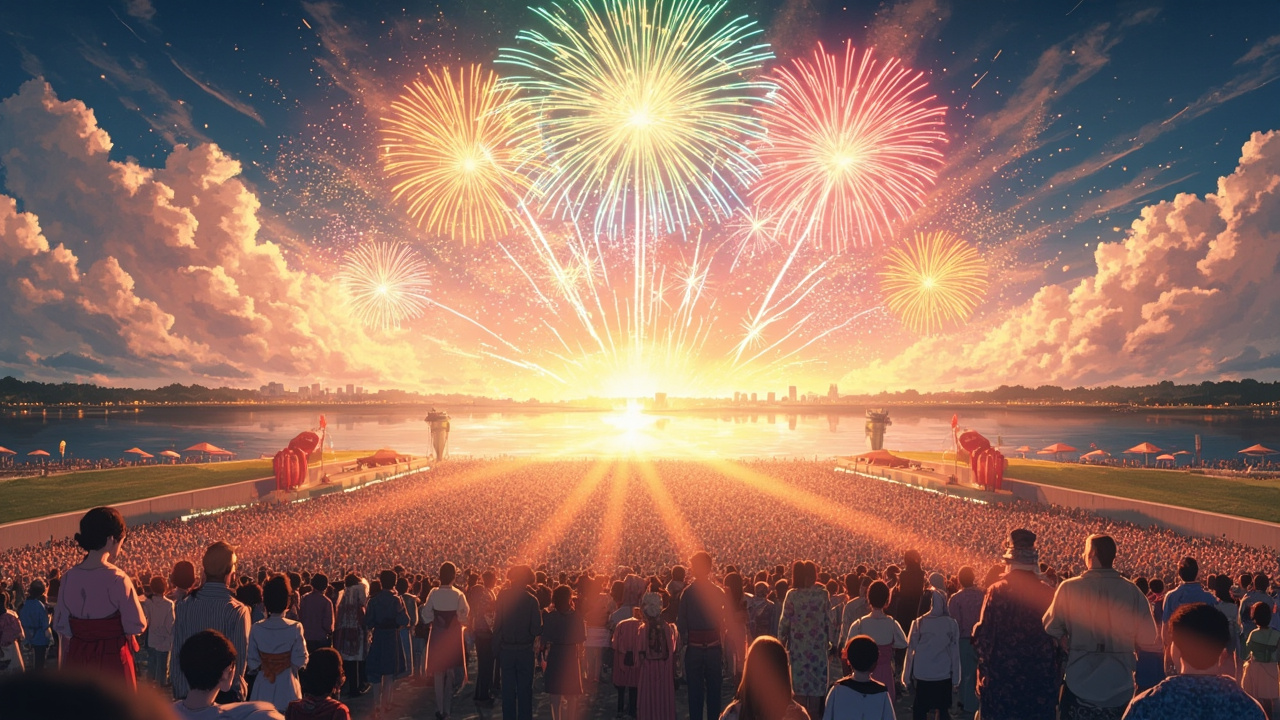
Event essentials
Headline stats
- Total Shells
- 約30,000
- Duration
- Not published in the sources checked min
- Nights
- 1 night(s)
- Attendance
- 約300,000人(2017〜2019年は35万人)
- Largest Shell
- Not confirmed in the sources checked (2026-10-20 pass)
- Founding Year
- 1957
Signature Sequences
- 01About 30,000 shells, one of the largest displays in Japan
- 02A day programme and a night programme
- 03Night firing of the Japan Pyrotechnic Art Association collection
- 04Online voting in the creative star mine competition
- 05City-centre traffic control and temporary buses
Venue & Access
- Time Window
- Day programme from 12:00, with the intervals shortened to 15, 10 and 5 minutes after 16:00; night programme from 19:20
- Venue
- Nagara riverbank, Gifu city, Gifu (downstream of Nagara Bridge to upstream of Kinka Bridge, firing from the left-bank midstream island)
- Address
- Nagara riverbank, Gifu city, Gifu - downstream of Nagara Bridge to upstream of Kinka Bridge
- Venue Size
- The stretch downstream of Nagara Bridge to upstream of Kinka Bridge
- Venue Floor Type
- Riverbed and Nagara River Park
- Gates Open
- Not confirmed in the sources checked (2026-10-20 pass)
- Paid-Seat Holder Entry
- Not confirmed in the sources checked (2026-10-20 pass)
- Spectator Capacity
- 約30万人が来場する大规模大会(会場容量の公称値なし)
- Production Company
- Not confirmed in the sources checked (2026-10-20 pass)
- Sponsor
- Chuunichi Shimbun (supported by Gifu Prefecture, Gifu City, Tokai Radio, Tokai Television, CBC Television, Nagoya Railroad, Central Japan Railway Company and the Gifu Bus Association)
Access
From major cities
- From Tokyo
- Tokaido Shinkansen to Nagoya, then Hokuriku Shinkansen
- From Osaka
- Not confirmed in the sources checked (2026-10-20 pass)
- From Sendai
- Not confirmed in the sources checked (2026-10-20 pass)
- Nearest Station
- Meitetsu Gifu Station and JR Gifu Station (Gifu Bus, Ukoya stop)
- Nearest Shinkansen
- Nagoya Station (Tokaido Shinkansen)
- Local Transit
- Gifu Bus to the Ukoya stop; temporary buses to the fireworks venue run from about 16:00. Meitetsu and JR add extra trains and carriages
- Parking
- Free temporary car parks with a shuttle bus to the venue (210 yen adult, 110 yen child one way)
- Parking Reservation
- The official page states no car park reservation rule
- Lodging Strategy
- Hotels and ryokan on the riverbank can watch the display, but bookings are the visitor's own responsibility
- English Access
- The official page is Japanese only, and traffic control makes access by car difficult
- Cash Required
- The shuttle bus and the surrounding area may take cash; the official page says nothing
- Best Arrival
- People occupy Nagara River Park from early morning and the traffic control starts in the afternoon
- Peak Crowd
- About 300,000 people attend and heavy traffic control covers central Gifu from the afternoon; the official page asks visitors to allow plenty of time
Tickets
- Seat Type
- Not confirmed in the sources checked (2026-10-20 pass)
- Price Range
- Free (the temporary car parks and the shuttle bus were charged)
- Seat Count
- Not confirmed in the sources checked (2026-10-20 pass) seats
- Sellout History
- Not confirmed in the sources checked (2026-10-20 pass)
- Reservation
- People take positions in Nagara River Park from early morning, but placing blue sheets days in advance is forbidden
- Day-Of Ticket
- Not confirmed in the sources checked (2026-10-20 pass)
Weather Policy
- Rain
- Not confirmed in the sources checked (2026-10-20 pass)
- Decision Time
- Not confirmed in the sources checked (2026-10-20 pass)
- Postponement
- In case of bad weather the display is postponed; the 62nd edition of 28 July 2018 was postponed to 25 August because of typhoon 12
- Wind Threshold
- Not confirmed in the sources checked (2026-10-20 pass)
- Typical Risks
- Heavy rain in July is the main risk in Gifu; the Nagara River has no dam and can rise within minutes after upstream rain
- Weather Cancellation History
- 2021 saw the first cancellation in the display's history because of the Great East Japan Earthquake; 2018 was postponed by typhoon 12; 2020 to 2022 were cancelled three years running